Spinal epidural lipomatosis is a rare condition characterized by overgrowth of the extradural space with fat, causing compression of the neural elements[^1].
Etiology
Spinal epidural lipomatosis is frequently associated with the administration of steroids or increased production of endogenous steroids[^1]. Spinal epidural lipomatosis may also occur in the setting of obesity or idiopathically[^2].
Diagnosis
The imaging modality of choice for diagnosing spinal epidural lipomatosis is MRI imaging.
Imaging
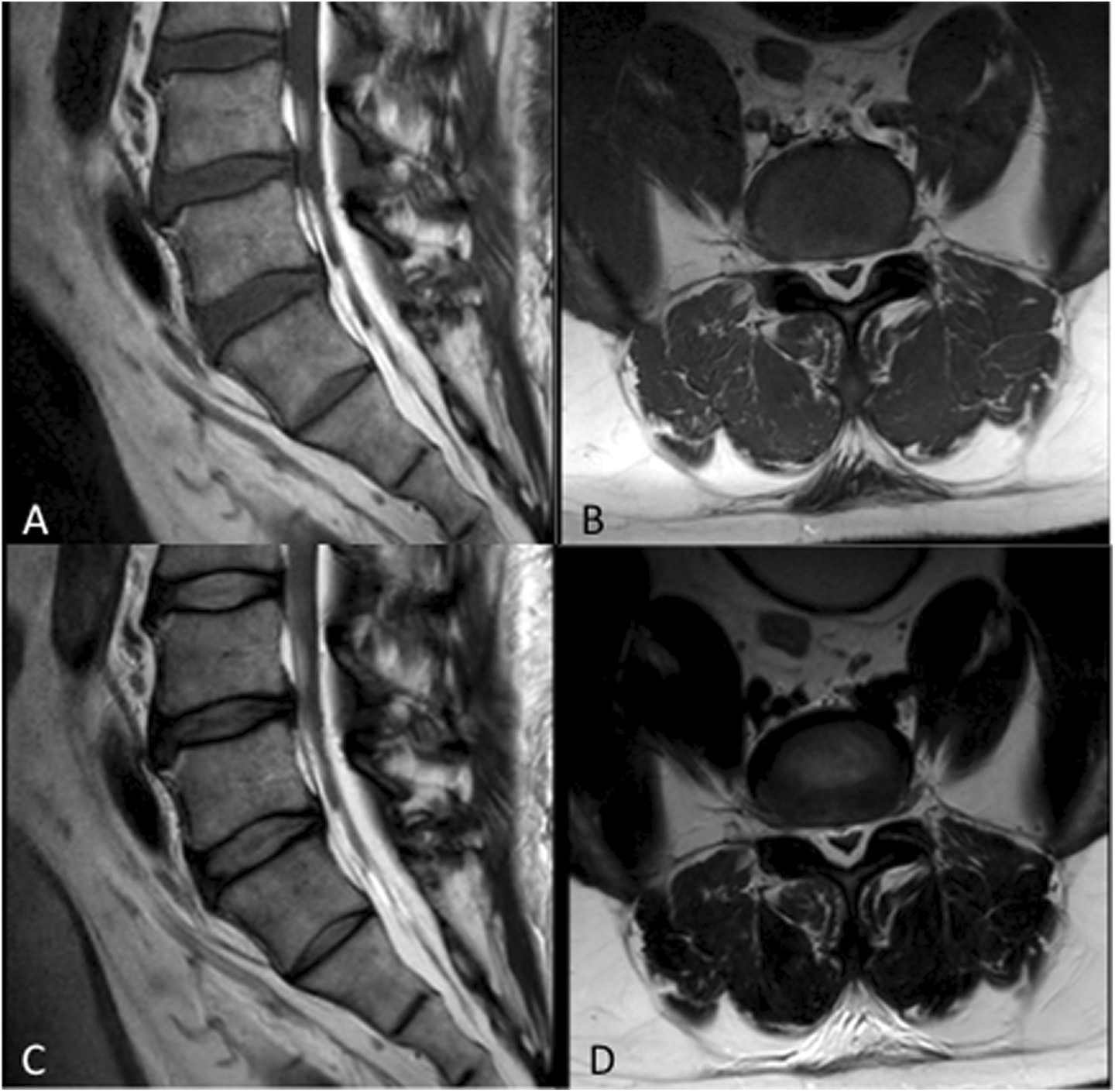
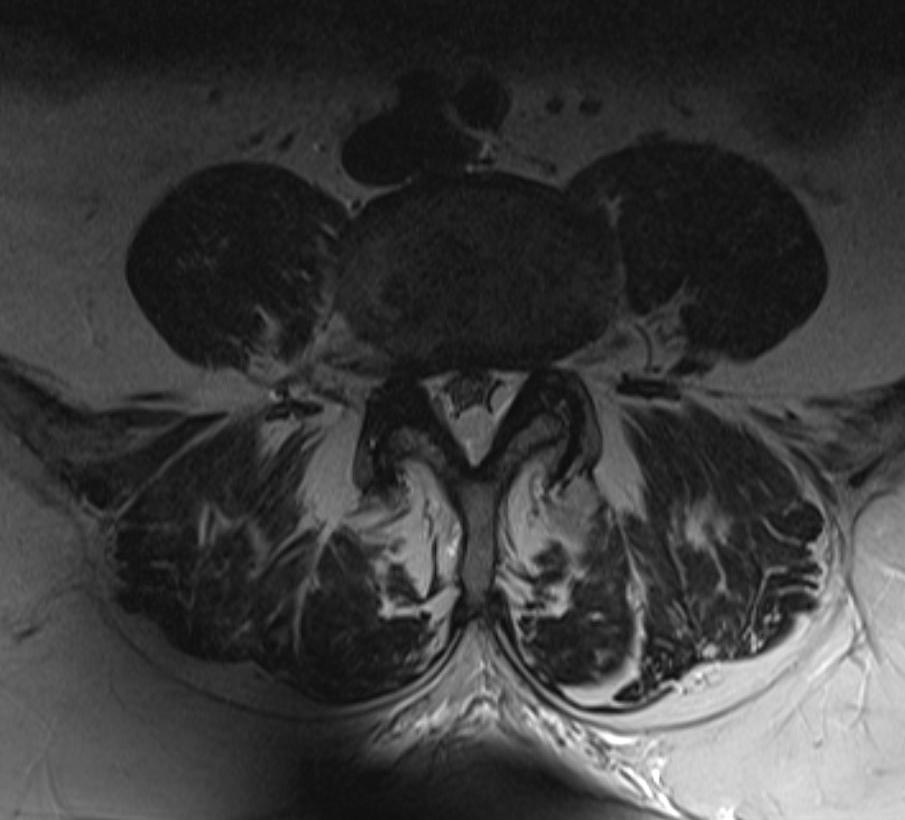
Symptoms
Spinal epidural lipomatosis may present symptomatically with Radiculopathy, Myelopathy, Spinal claudication, Cauda equina syndrome, or paraplegia. These symptoms are likely caused by compression from excess adipose tissue in the epidural space, and the precise clinical presentation depends on the location and extent of the compression[^2]. The literature has reported that steroid-induced spinal epidural lipomatosis (both exogenous and endogenous) can cause compression of the Spinal cord, resulting in acute-onset paraplegia[^3] [^4] [^5].