Third ventriculostomy, also referred to as third ventriculocisternostomy, is nowadays performed endoscopically in most cases, and the term endoscopic third ventriculostomy (ETV) is therefore frequently used. This involves creating an opening in the third ventricle to ensure cerebrospinal fluid outflow in cases of obstructive hydrocephalus.
Prognosis
The success rate of third ventriculostomy can be determined using the ETV Success Scores.
Complications
Performing an endoscopic third ventriculostomy has a steep learning curve and, when performed correctly by an experienced surgeon, is associated with a low complication rate [^1]. Isolated cases of fatal complications related to hemorrhage have also been described in the literature [^2].
Surgical planning
For endoscopic irrigation, body-temperature Ringer's solution should be used in adult patients whenever possible, as it more closely reflects the ionic physiological composition of Cerebrospinal fluid [^3].
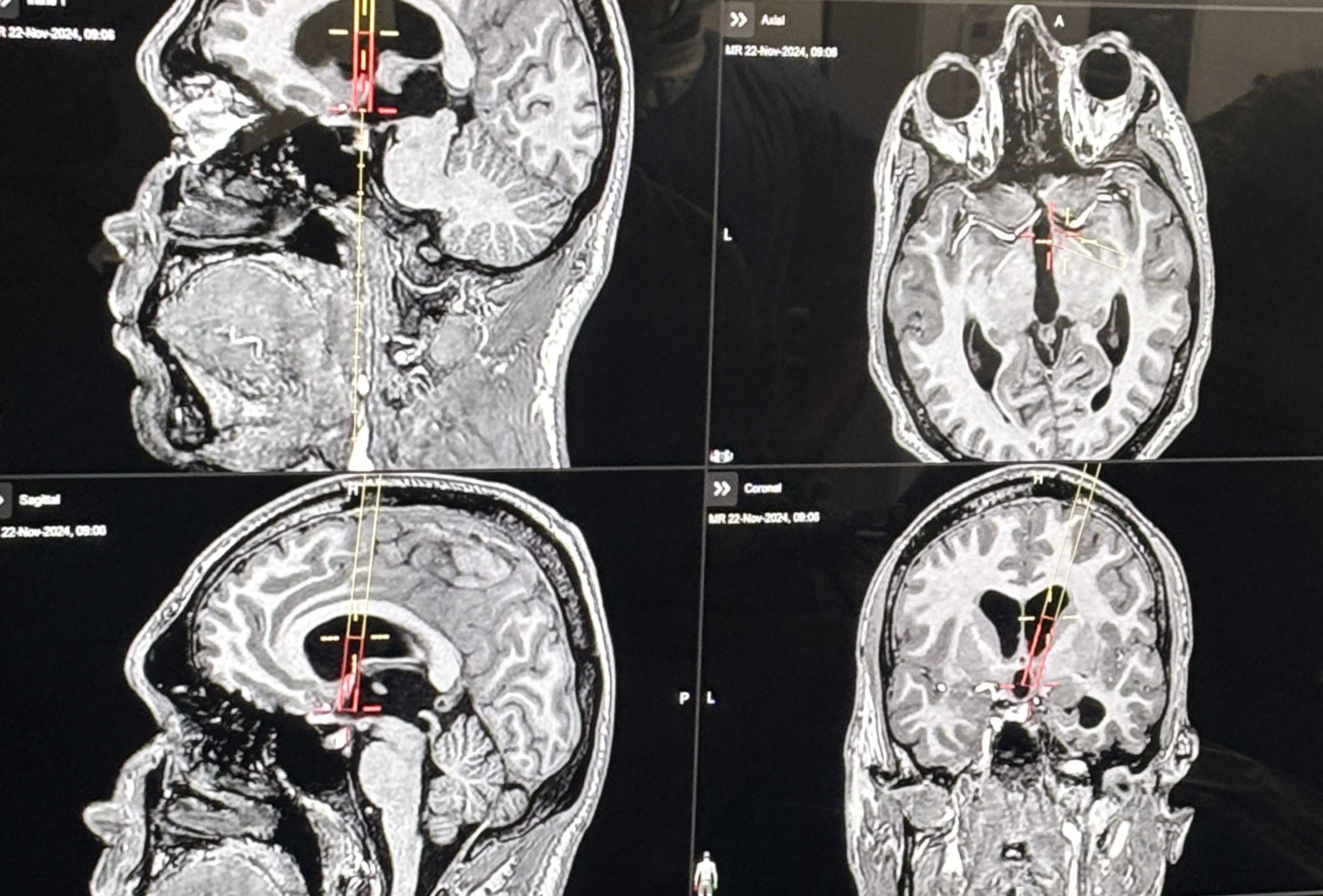
Imaging
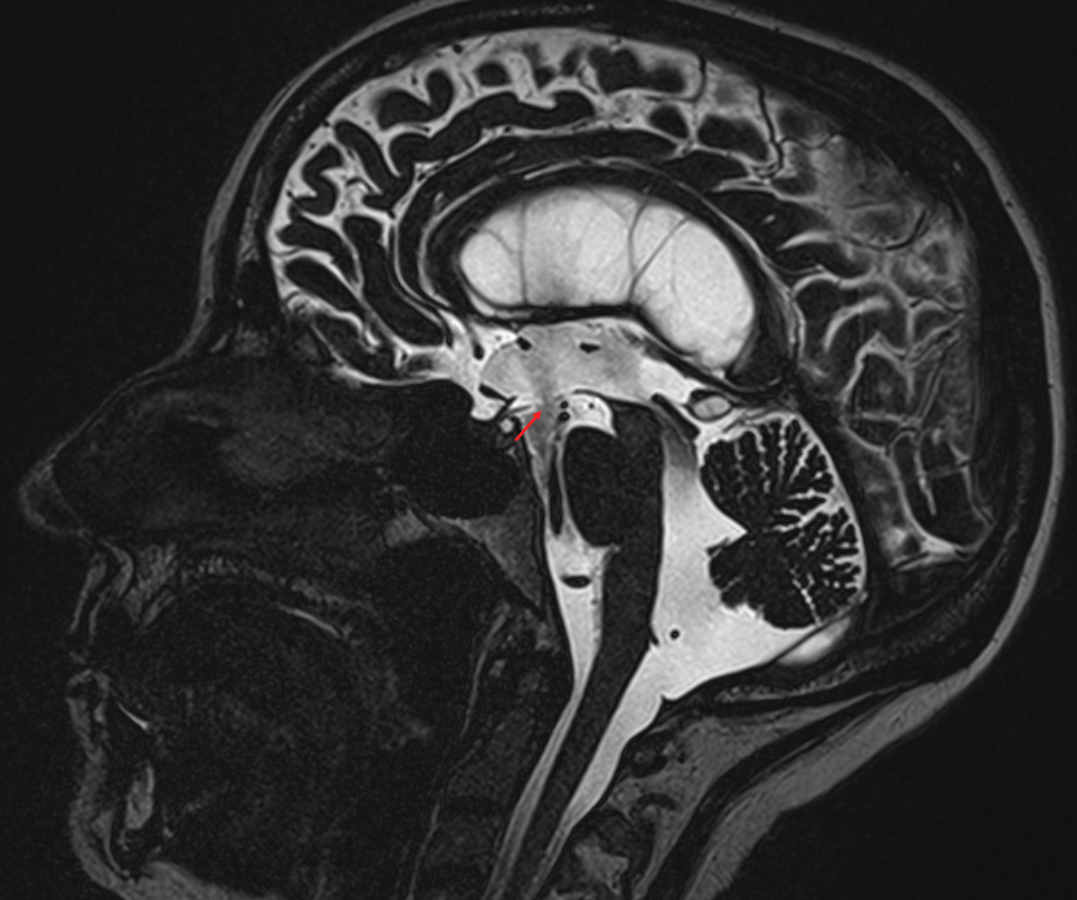
Postoperatively, both the site of the third ventriculostomy and cerebrospinal fluid flow can be visualized on MRI.
Surgical video
Endoscopic third ventriculostomy
Video footage of an endoscopic third ventriculostomy.