The term absolute spinal canal stenosis describes marked narrowing of the spinal canal. In lumbar stenosis, imaging and symptoms must be assessed together. Imaging thresholds are not universally agreed upon.[^1]
Etiology
The causes of absolute spinal canal stenosis can be diverse. In older age, spinal canal stenosis may develop due to degeneration of the Spine. However, Abscesses, tumors, or hemorrhages may also lead to absolute spinal canal stenosis.
Imaging
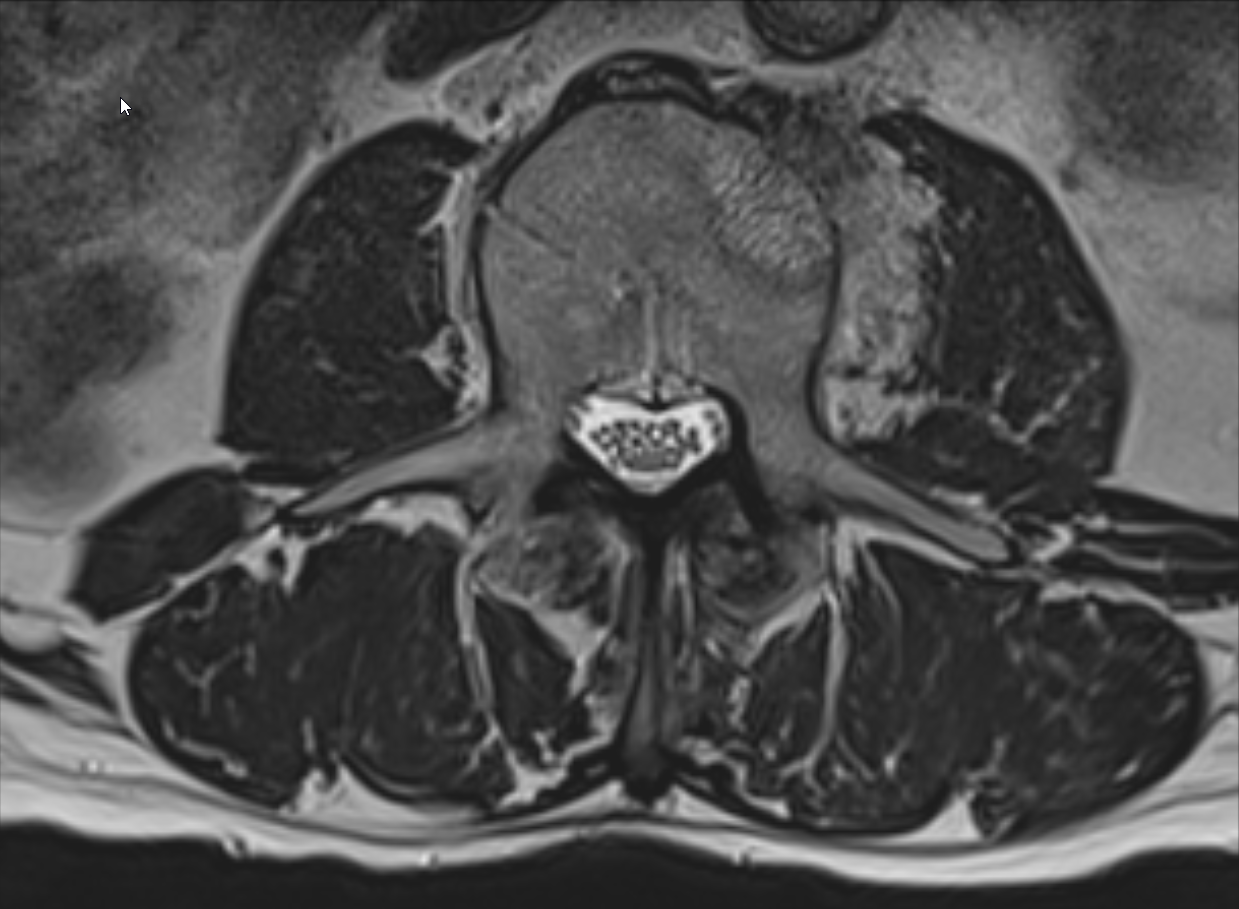
MRI is the preferred noninvasive investigation for suspected lumbar spinal stenosis. Assessment includes narrowing and the visibility of the cerebrospinal fluid space.[^1]

Interpreting treatment evidence
In SPORT, analyses by treatment received favored surgery for symptomatic lumbar stenosis. Frequent crossover between groups complicates interpretation. The randomized intention-to-treat analysis found no significant difference in physical function or the Oswestry Disability Index.[^2]
Another randomized trial found no significant difference in physical function between surgery and physical therapy at two years. Many participants also crossed over to surgery in that trial.[^3]