Sodium fluorescein is a dye used as a diagnostic agent in various medical specialties.
Neurosurgical use
In neurosurgery, sodium fluorescein is used for a few different diagnostic applications:
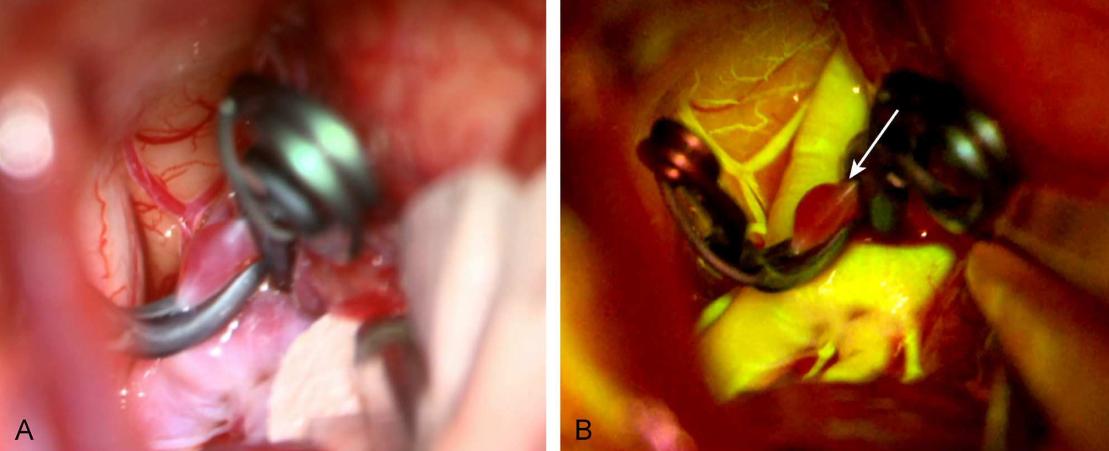
Vascular visualization in vascular neurosurgery[^2]:
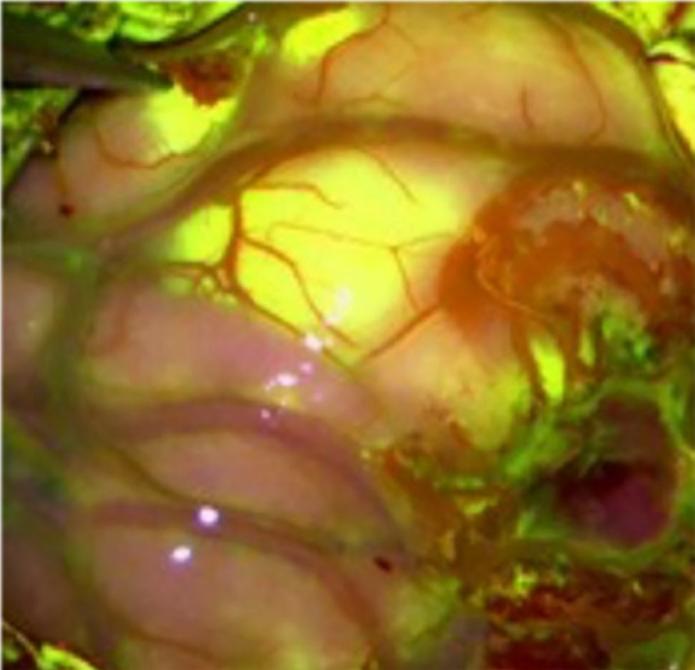
Resection of Brain metastases[^3]:
Detection of CSF fistulas[^4]:
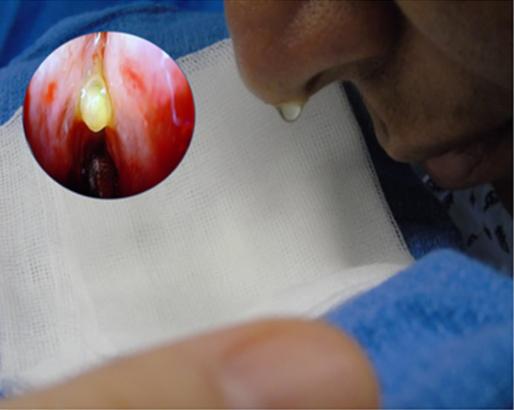
Figure
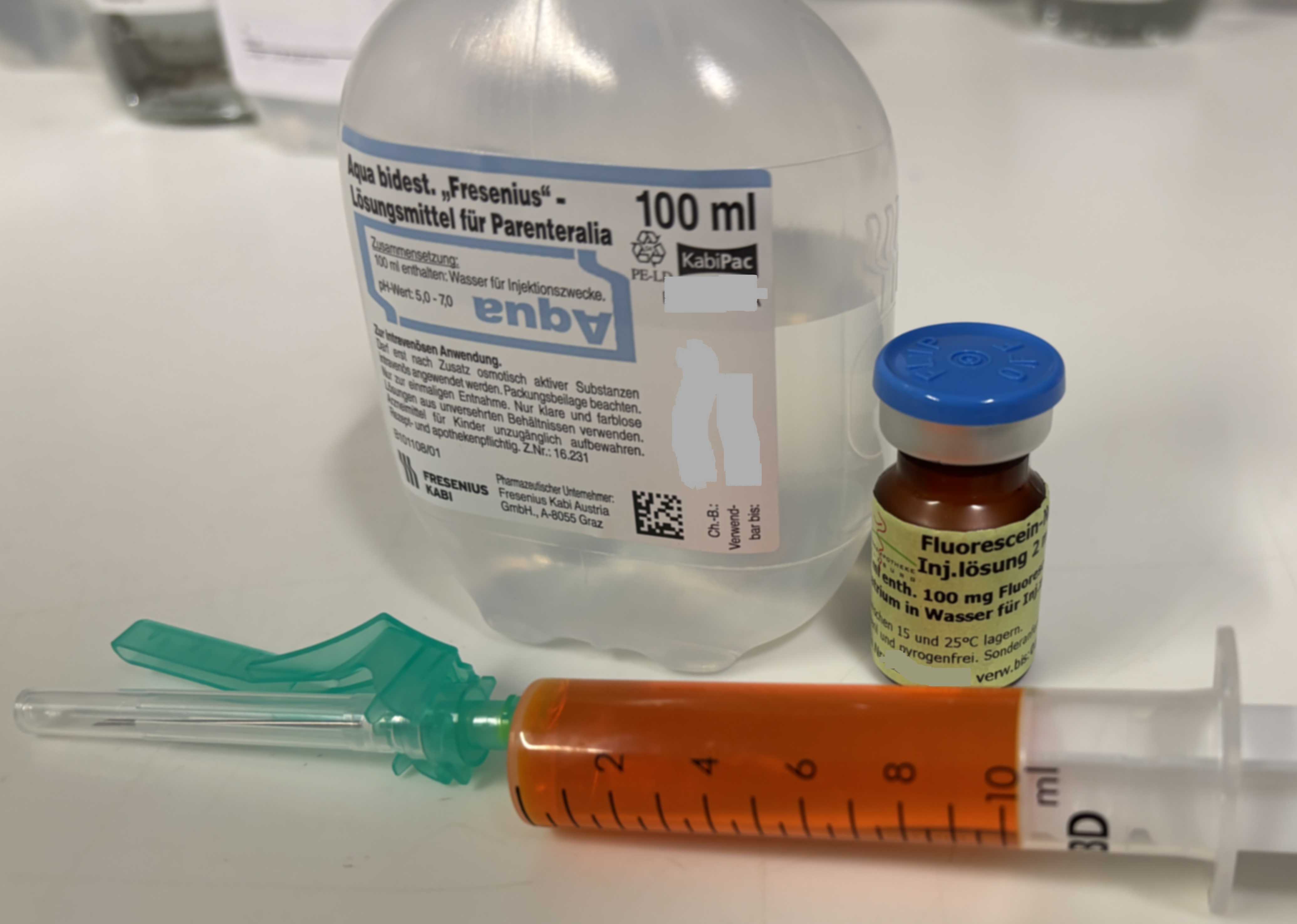
Intrathecal administration
In neurosurgery and otolaryngology, diluted sodium fluorescein solutions are used to localize CSF fistulas. It is administered intrathecally. For the detection of intracranial CSF fistulas, the fluorescein is ideally diluted in a fluid that is hypodense relative to CSF, allowing the sodium fluorescein to distribute more effectively[^4] [^5].
Sodium fluorescein diluted in: | Density | Density compared with CSF | Characteristics |
10ml double-distilled water | 1.001 | Hypodense | Appears in the surgical field shortly after administration. |
10ml sterile water | 1.003 | Hypodense | Appears in the surgical field several minutes after administration. |
10ml Cerebrospinal fluid | 1.005 | Hyperdense | Appears in the surgical field after approximately 60-90 minutes while the patient is in the Trendelenburg position. |
10ml normal saline | 1.006 | Hyperdense | Appears in the surgical field after 60-90 minutes while the patient is in the Trendelenburg position, with rapid absorption by the villi of the Choroid plexus. |
Intrathecal dosage
For intrathecal administration, the literature predominantly recommends a dose of 0.1 ml of a 5% fluorescein solution per 10 kg of body weight. This is diluted with one of the carrier solutions listed in the table above to a total volume of 10 ml. The maximum dose should not exceed 1 ml of the 5% fluorescein solution, as serious complications following intrathecal administration have been documented at higher doses[^1].