A CSF fistula, also known as a CSF leak, is a defect in the cerebrospinal fluid system that communicates with an external space, thereby allowing Cerebrospinal fluid to escape. Due to the reduced volume of cerebrospinal fluid, CSF fistulas typically cause orthostatic headaches. The causes of a CSF fistula vary.
Postoperative CSF fistula
CSF fistulas may occur after surgery involving the Spine or head when the Dura mater cannot be closed watertight after being opened.
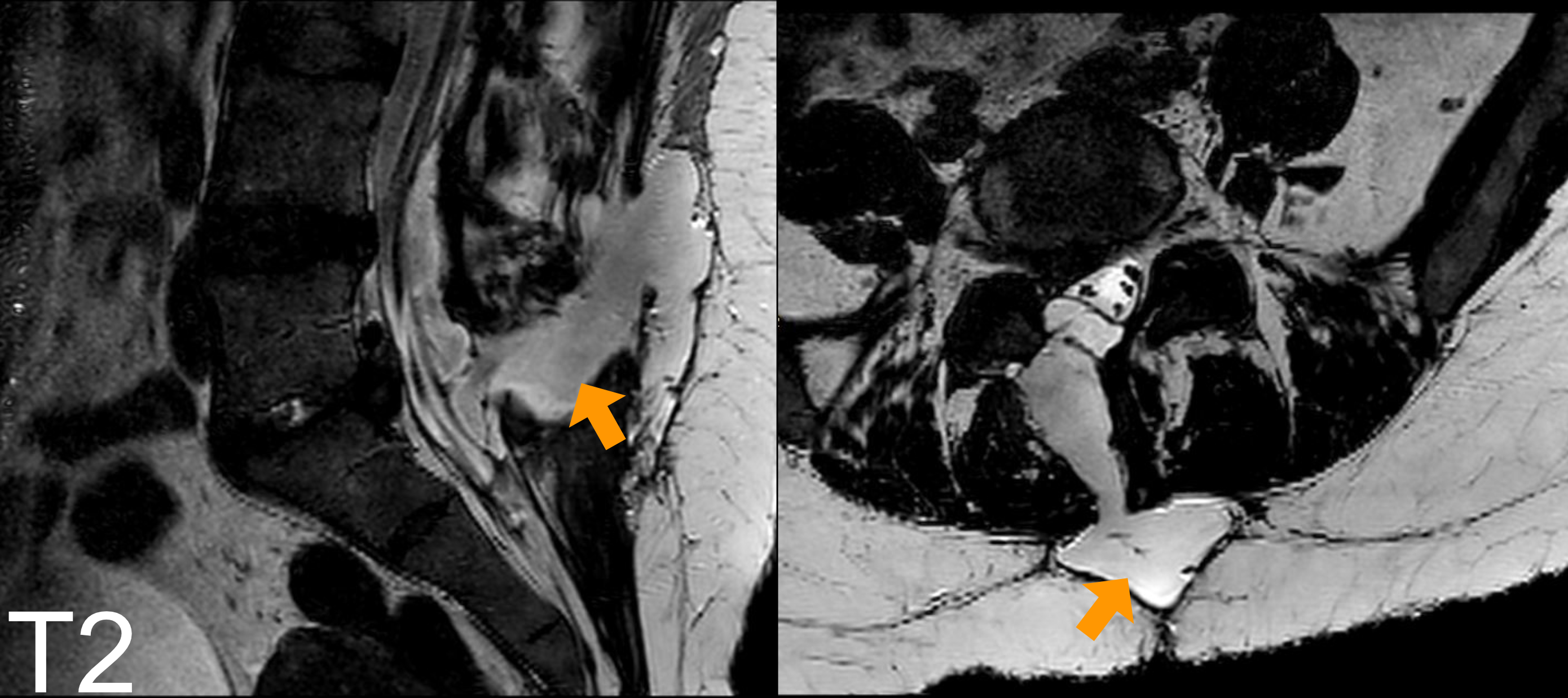
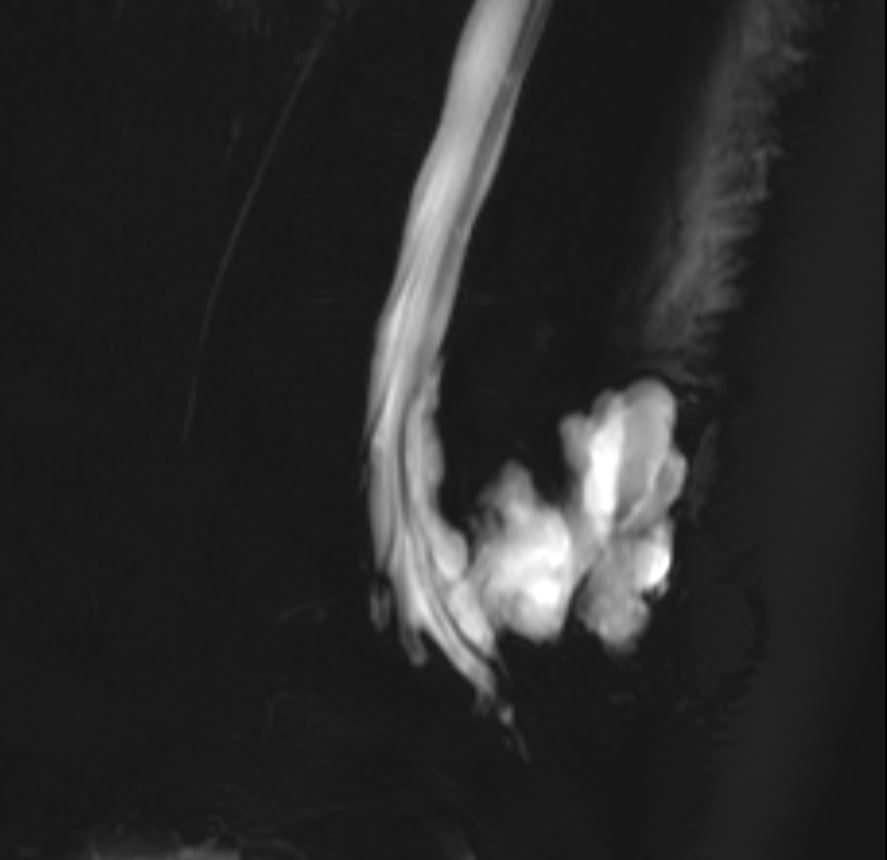
Spontaneous CSF fistula
CSF fistulas, particularly in the spinal region, may also occur spontaneously due to a dural defect without surgical intervention[^1]. This can lead to the clinical condition of spontaneous intracranial hypotension.
Traumatic CSF fistula
CSF fistulas occur in 2-3 % of all patients with a Traumatic brain injury, with approximately 60 % of these CSF fistulas occurring directly on the first day after the trauma and 95 % within the first 3 months after the trauma[^3]
Risk of infection
The incidence of Meningitis due to a CSF fistula is approximately 5-10 %, with the risk increasing when the CSF leak persists for more than 7 days[^2]. In approximately 83 % of cases, this is pneumococcal meningitis[^2].