Posterior reversible encephalopathy syndrome (PRES) is an acute form of Encephalopathy.
Clinical presentation
Posterior reversible encephalopathy syndrome (PRES) presents clinically with headache, visual disturbances, seizures, and changes in personality or impaired consciousness. In contrast to hypertensive encephalopathy, PRES can also manifest without a clinically significant increase in blood pressure.
Imaging
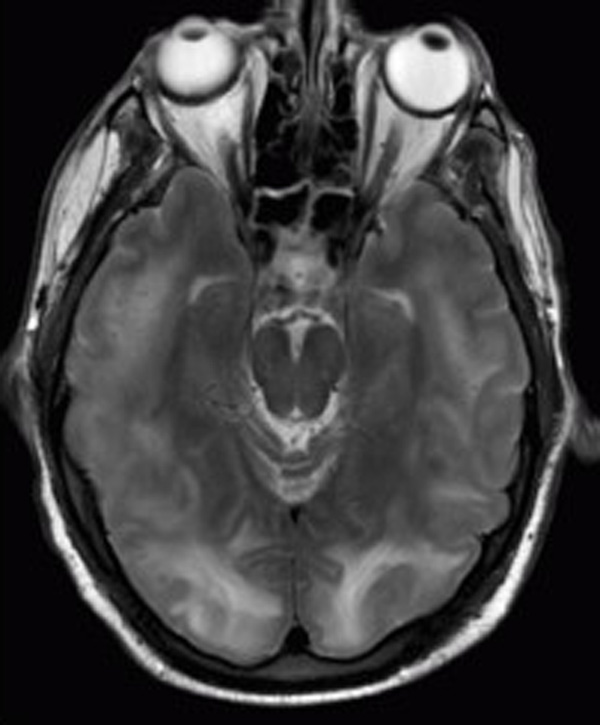
MRI imaging typically shows bilateral changes in the white matter, which are interpreted as vasogenic edema. Diffusion restriction is generally not seen on MRI [^1].
Treatment
Treatment consists of eliminating the underlying causes, combined with antihypertensive and anticonvulsant therapy. Because untreated PRES can lead to severe neurological deficits, Status epilepticus, and even death, intensive care treatment is necessary in many cases.