Aneurysm
Last edit by Alaric Steinmetz on
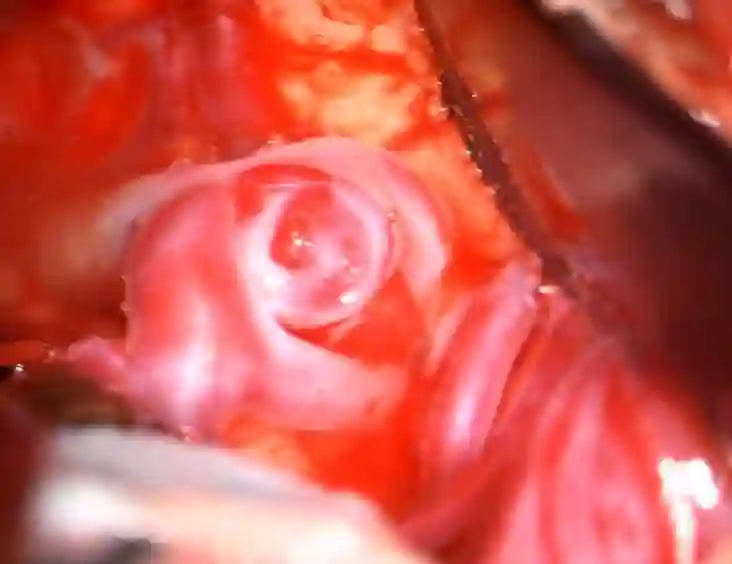
An aneurysm is defined as a pathological, localized, irreversible dilation of the wall of a blood vessel. In the cerebral arteries, aneurysms are usually found at vessel bifurcations due to hemodynamic factors. Rupture of an aneurysm results in a Subarachnoid hemorrhage. 20-30 % of all patients with aneurysms have multiple intracerebral aneurysms[^2]
Classification of aneurysms
Based on angioarchitecture, intracerebral aneurysms can be classified into the following two types[^1]:
Aneurysm neck
Originally, aneurysms with a neck greater than 4 mm were considered wide-necked aneurysms. In the literature, aneurysms with a dome-to-neck ratio of less than 2 are considered wide-necked[^3].
Aneurysm calcifications
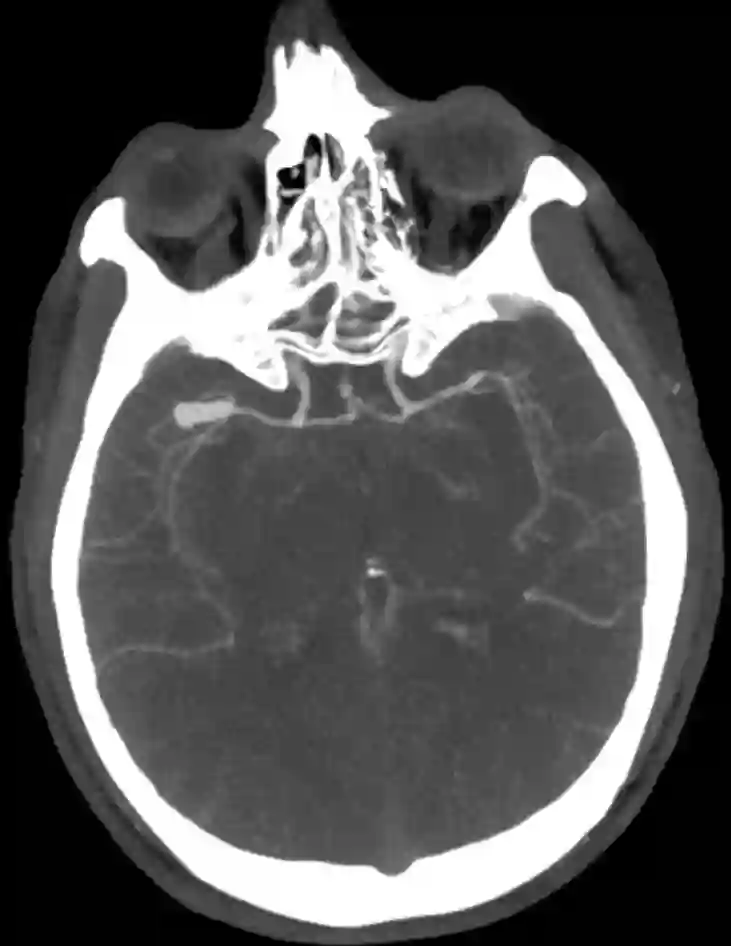
Aneurysms may develop calcium deposits over time. Calcifications in unfavorable locations at the neck of an aneurysm may complicate surgical treatment with clipping in individual cases.
Imaging
CT angiography
The sensitivity of CT angiography for aneurysms > 5 mm is between 95 and 100%[^4].