Radiological Features of Various Shunt Valves
Last edit by Alaric Steinmetz on
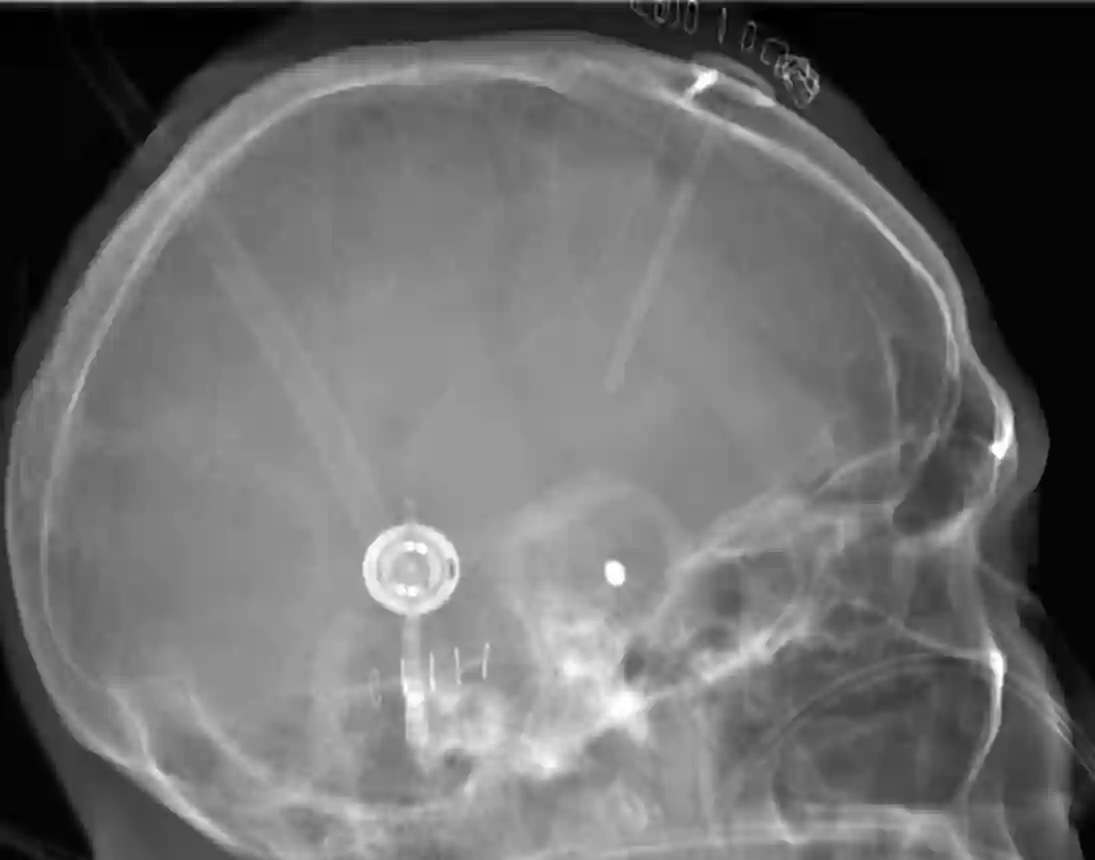
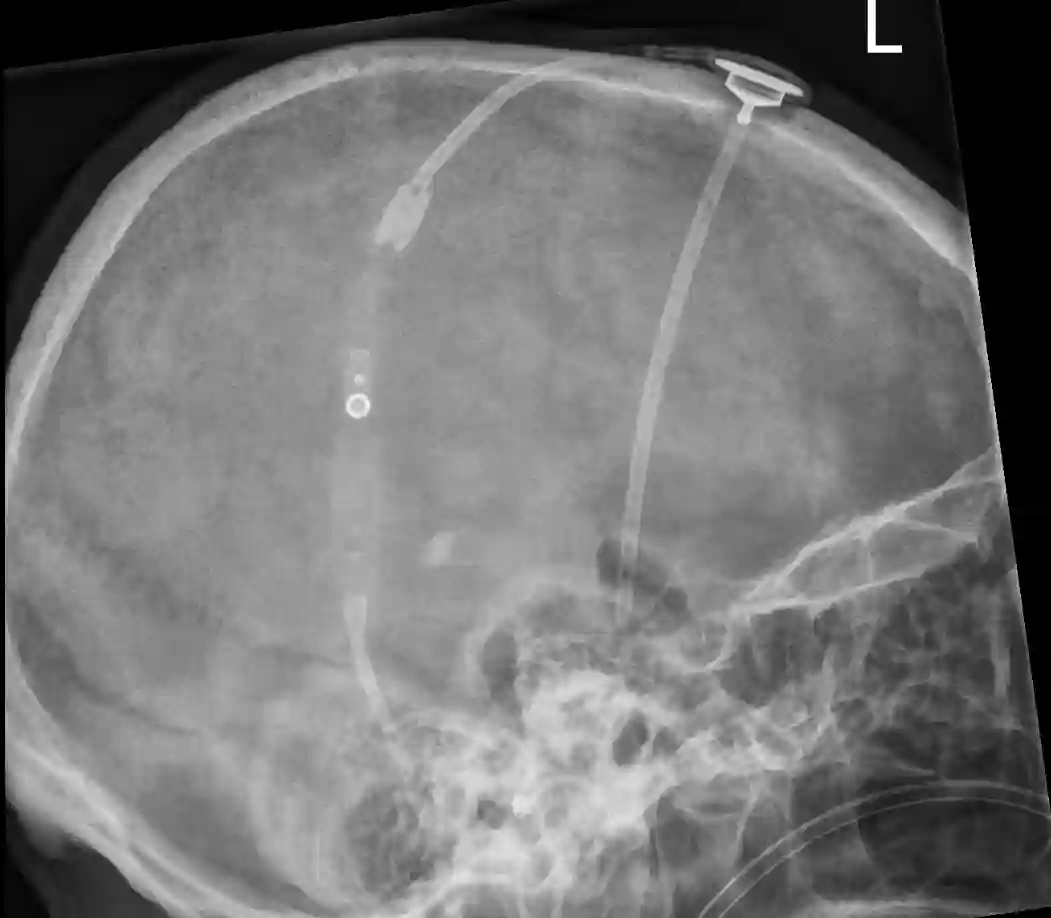
The number of shunt systems used in neurosurgery over the years has grown to a considerable number. It is therefore quite possible to be confronted with a patient who has an unknown shunt system implanted that cannot be identified on the X-ray image either.
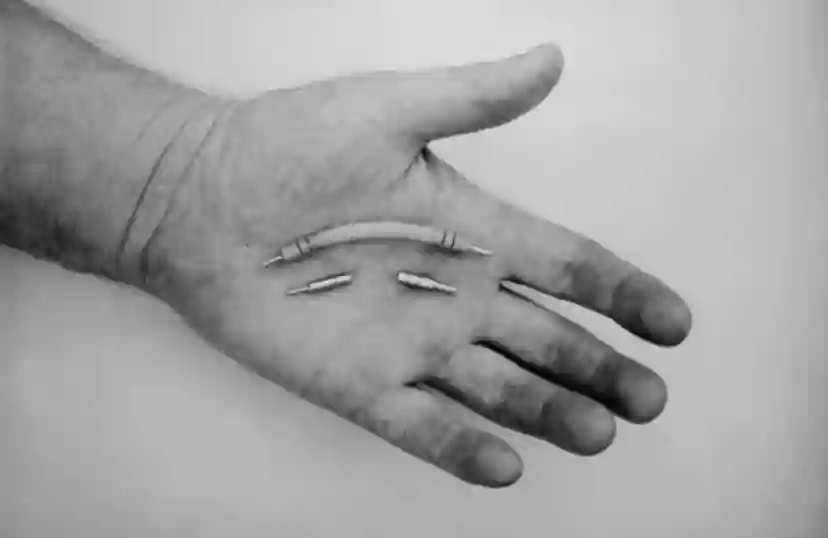
This article is intended to help distinguish between the various frequently used shunt valves and their properties. The collection of shunt valves described in this article is not exhaustive, but should represent the most frequently implanted systems.
Overview table
Shunt valve | Adjustable opening pressure | MRI compatibility |
proGAV 2.0 | Yes | Yes |
Polaris Sophysa | Yes | Yes, up to 3 Tesla[^2] |
Codman Hakim | Yes | Conditional. The shunt valve setting must be checked. |
proGAV 2.0
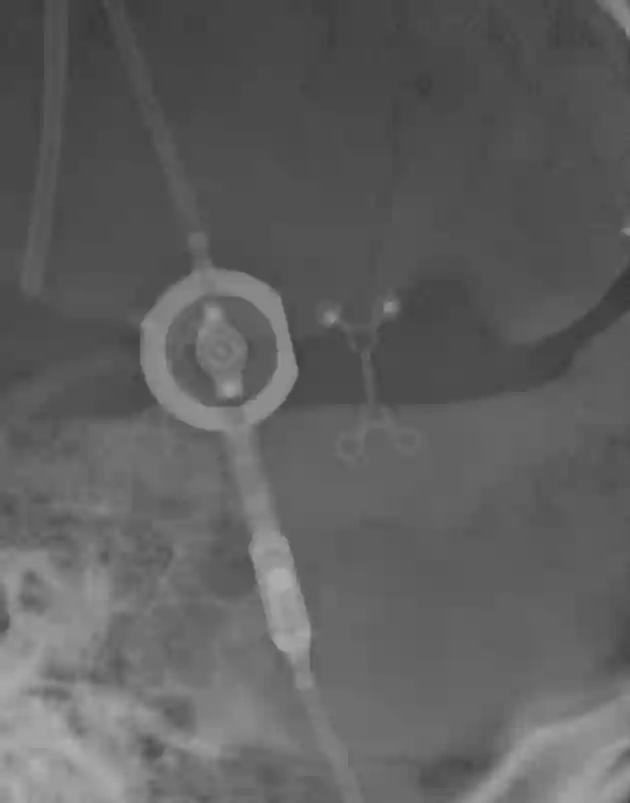
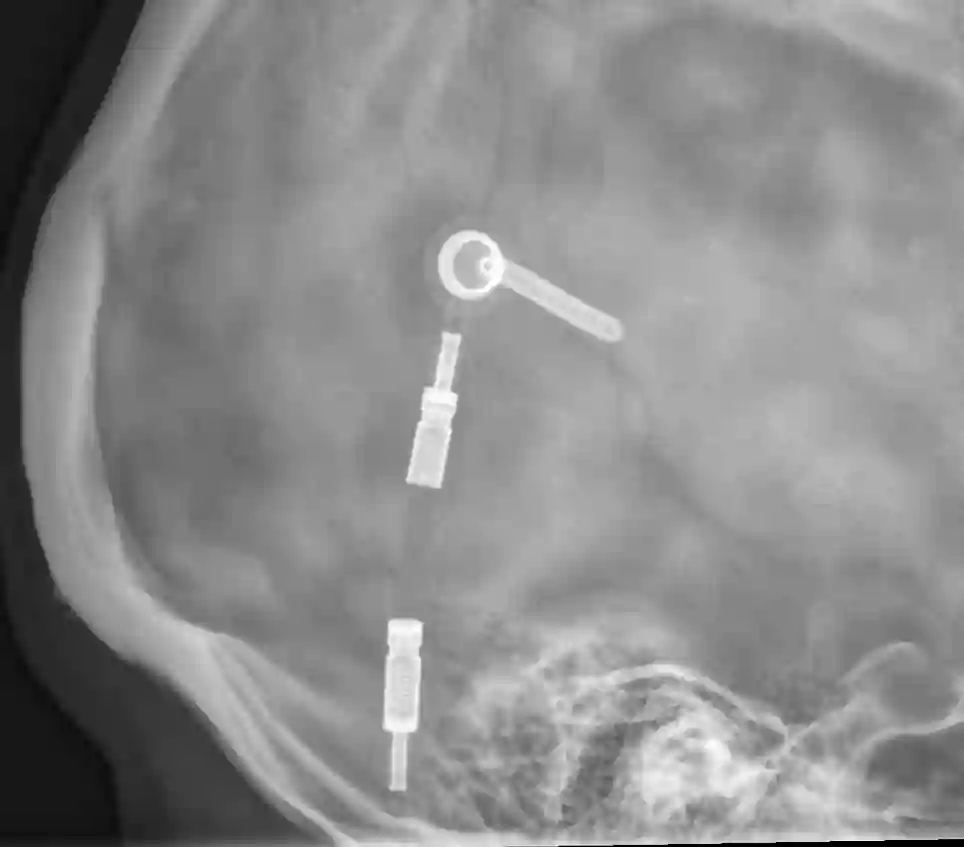
The proGAV 2.0 valves are distributed by Miethke and can be adjusted using a magnet to an opening pressure of 0–20 cmH2O. The shunt setting can also be read either directly on the patient using a magnetic indicator or by means of an X-ray image of the shunt valve. Determining the setting from the X-ray image provides more reliable information about the current setting, as reading it with the help of the magnet depends on the orientation of the shunt valve beneath the skin and is more difficult to determine in cases of pronounced subcutaneous adipose tissue.

proGAV 1.0
The proGAV 1.0 shunt valves are predecessors of the proGAV 2.0 valves and are also distributed by the same company, Miethke.

Sophysa Polaris Shunt Valve
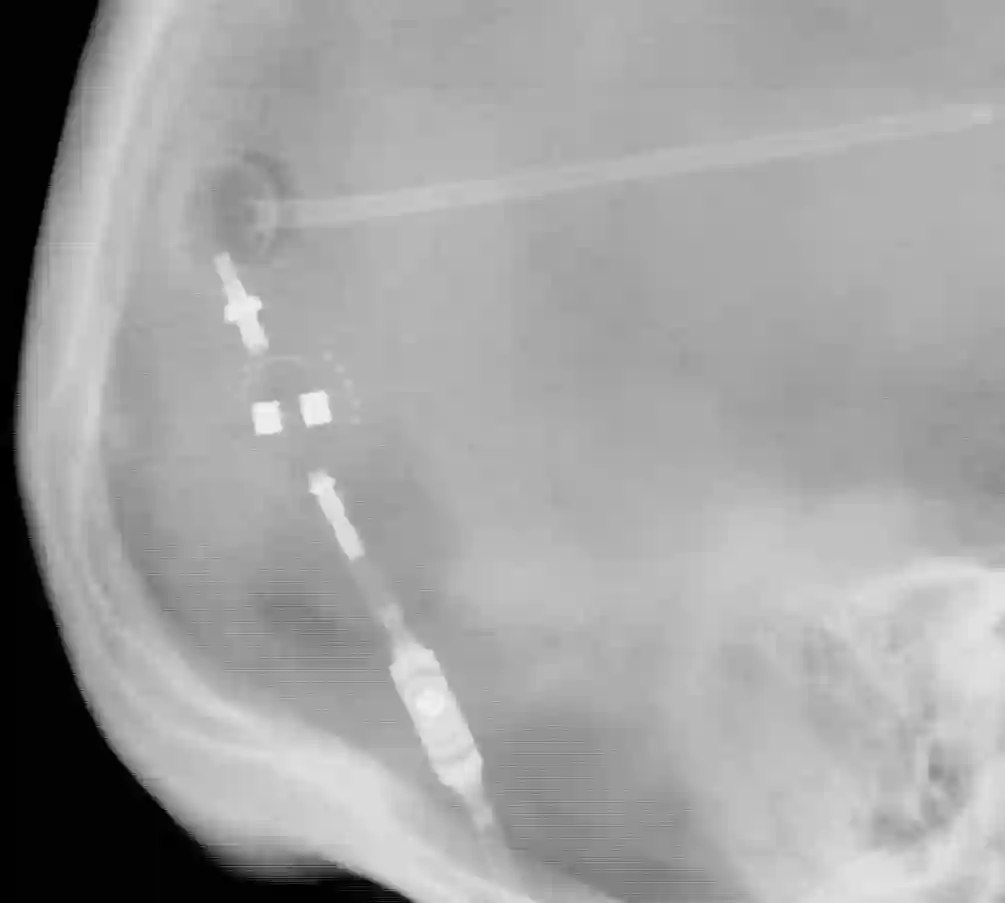
The Polaris® shunt system is distributed by Sophysa and is an adjustable shunt valve compatible with MRI up to 3 Tesla[^2].
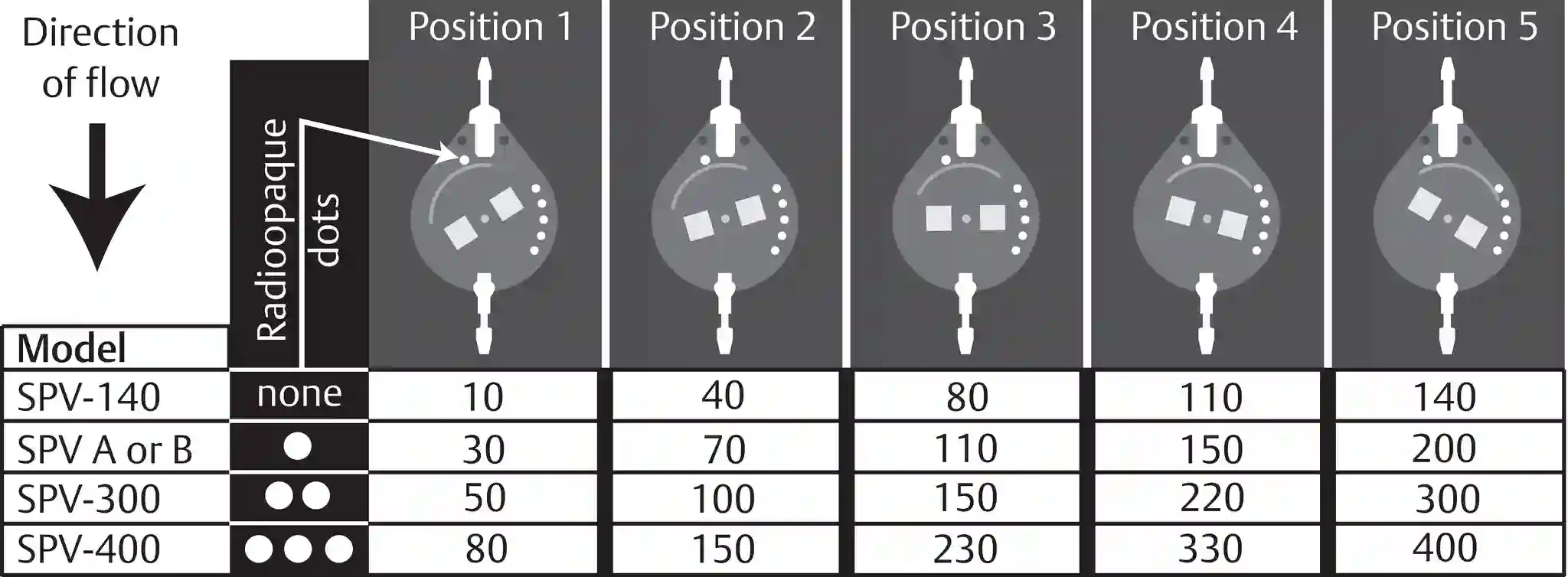
In its standard model, the Polaris® shunt valve has an adjustable pressure setting ranging from 30–200 mmHg, and there are three additional models that can be distinguished on X-ray images by a marker and offer further pressure setting options.


Codman Hakim Shunt Valve
The Codman Hakim shunt valve is manufactured by Codman Inc. and can be adjusted to 18 different pressure settings ranging from 30–200 mm H2O.


Spitz-Holter Shunt Valve
The Spitz-Holter shunt valve was developed in Philadelphia in the 1950s and was the first functioning shunt valve for the treatment of hydrocephalus[^1]. Spitz-Holter shunt valves are no longer implanted in Europe and have been replaced by more modern shunt valves. The pressure setting of Spitz-Holter shunt valves cannot be determined from X-ray images.